Construction ERP Solutions Connecting Financials, Projects, and Field Teams Seamlessly

Construction companies need strong coordination between financial records project tasks and workforce updates. ERP brings these functions into one connected structure that supports timely decisions. Managers can view spending details while supervisors follow current work progress. Office teams can also receive updates from active operations without repeated data entry. This creates smoother coordination across daily responsibilities through https://www.theaccessgroup.com/en-us/construction/products/coins/.

Connected Financial Management

Financial control improves when accounting information connects with ongoing project activity. Managers can review spending records alongside current work progress. ERP tools help teams monitor invoices and payments through shared records. Clear financial information also supports faster planning when project requirements change.

Better Project Cost Control

Project spending requires regular attention throughout each construction stage. Managers need a clear view of planned costs and actual expenses. Connected records make it easier to identify spending changes during active work. This supports timely budget adjustments while keeping financial decisions aligned with project needs.

Coordinated Field Team Updates

Supervisors collect progress details through routine work updates and task records. These details can reach office teams through connected workflows. Managers gain current information without relying on repeated manual entry. ERP also links operational updates with schedules and project records for smoother coordination.

https://www.theaccessgroup.com/en-us/construction/products/coins/

Shared Operational Information

A central information structure keeps important records accessible across different responsibilities. Finance staff can review relevant project details while managers monitor operational progress. Connected processes are supported across financial management and project activity through https://www.theaccessgroup.com/en-us/construction/products/coins/. This shared approach helps teams work from consistent information throughout daily operations.

Clearer Daily Workflows

Connected processes can simplify routine construction management activities. Teams can follow approvals while tracking commitments through organized records. Managers can review project status without moving between separate records. Useful functions include:

  • Central records keep project information accessible for relevant teams.
  • Automated updates reduce repeated data entry during routine activities.
  • Cost tracking supports closer control over approved project spending.
  • Shared reports help managers review current operational progress quickly.
  • Integrated workflows connect office planning with workforce requirements.

ERP can also support better planning through timely reports and structured records. Managers gain clearer visibility when financial details remain connected with project activity. Supervisors can share updates through coordinated processes that reduce unnecessary repetition. This approach supports consistent workflows while helping teams maintain better control over daily responsibilities.

FAQ

Can ERP connect financial records with construction project activity?

Yes, ERP links accounting information with current project operations.

Can connected systems improve communication between construction teams?

Yes, shared records help teams exchange important updates efficiently.

Does ERP help managers monitor project spending accurately?

Yes, connected financial records support regular spending review and control.

Online Reputation Management Strategies for Small Businesses in Delhi

For a small business, reputation is often built one customer at a time. A customer visits your shop, books an appointment, orders a service or contacts your team. That experience can later appear as a Google review, social media comment, photograph or recommendation.

At the same time, a potential customer who has never dealt with your business can search your name and see those experiences within seconds.

This makes online reputation management important for small businesses in Delhi. You do not need a large marketing department to manage it, but you do need a consistent process for monitoring what people are saying, responding to feedback and improving the customer experience behind the reviews.

The good news is that reputation management does not have to mean being active on every platform or responding to every mention on the internet. A small business can start with a focused system and build from there.
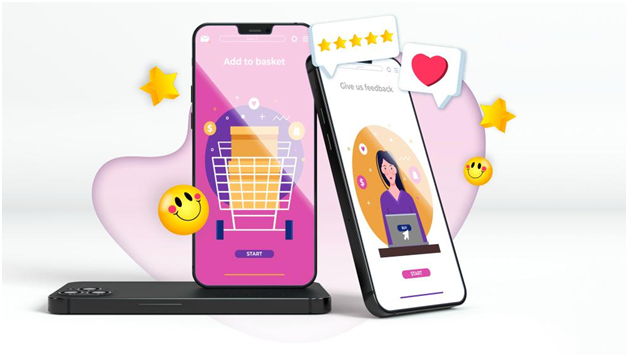
Online_Reputation_Management_Strategies_for_Small_Businesses_in_Delhi

Why Online Reputation Matters for Small Businesses

Large brands can sometimes absorb an isolated negative comment because customers already know who they are.

A small local business has less room for that.

Someone searching for a dentist in South Delhi, a salon in Dwarka, a restaurant in Connaught Place or a home-service provider in Noida may have several options available.

Before making contact, they can compare:

  • Star ratings
  • Recent reviews
  • Customer comments
  • Business photographs
  • Review responses
  • Opening hours
  • Location
  • Website information
  • Other online mentions

Recent research shows how important reviews have become during this process.

BrightLocal’s 2026 Local Consumer Review Survey found that 97% of consumers read online reviews for local businesses, while 41% said they always read reviews when browsing for businesses. The research surveyed 1,002 US adult consumers, so these figures should not be interpreted as Delhi-specific behaviour. They are useful as an indication of how consumers increasingly use online feedback during local business research.

For a small business, this means reputation is not something to think about only after receiving a bad review.

It should be part of regular business management.

Start With a Reputation Audit

Before trying to improve your reputation, find out what customers currently see.

Search your business name on Google and review the results from the perspective of someone who has never used your services.

Check:

Google Business Profile:
Is your name, address, phone number, website and opening hours correct?

Reviews:
What are customers saying about you recently?

Review responses:
Are complaints being addressed professionally?

Search results:
What appears when someone searches your brand?

Social profiles:
Are your business profiles active and accurate?

Business directories:
Are there old phone numbers, addresses or incorrect descriptions?

Photographs:
Do the images represent your current business?

Write down the problems you find.

You may discover that your biggest issue is not a low rating. It could be outdated information, unanswered reviews or a lack of recent customer feedback.

Focus on the Platforms That Matter to Your Customers

A small business does not need to manage every review platform available.

Start with the places where customers actually find and discuss your business.

For many local businesses, Google will be a priority. Depending on the industry, other platforms may also matter.

BrightLocal’s 2026 research found that consumers use an average of six different review sites when choosing businesses, while Google, Facebook and AI tools were among the commonly used sources for local recommendations.

That does not mean every Delhi business needs six active review profiles.

A better approach is to identify the platforms that are relevant to your industry.

For example, a restaurant may need to pay attention to food and local discovery platforms, while a healthcare provider may need to monitor platforms where patients commonly discuss their experiences.

Manage the platforms that influence your customers, not simply the platforms that exist.

Make Review Monitoring a Routine Task

Reputation management becomes difficult when businesses only check reviews after receiving a complaint.

Instead, create a simple monitoring routine.

For a small business, this could mean checking important review platforms several times a week and carrying out a more detailed review once a month.

Track:

  • New reviews
  • New complaints
  • Rating changes
  • Recurring issues
  • Positive feedback
  • Unanswered reviews
  • Potentially policy-violating content
  • Mentions of important services or products

You do not necessarily need expensive software at the beginning.

A simple spreadsheet can record the date, platform, rating, main issue, response status and action taken.

The important part is consistency.

Respond to Reviews Like a Business, Not a Robot

A review response is public communication.

Even when you are responding to one unhappy customer, potential customers may read the conversation later.

Google recommends that businesses engage with reviews and respond professionally. It also provides guidance on responding to negative feedback and protecting customer privacy.

For positive reviews, a short personalised thank-you can be enough.

For negative reviews:

  1. Acknowledge the concern.
  2. Avoid becoming defensive.
  3. Do not reveal private customer information.
  4. Clarify relevant facts when necessary.
  5. Invite the customer to continue the conversation privately.
  6. Investigate the underlying issue.

Avoid replying with the same sentence to every customer.

A response such as “Thank you for your valuable feedback. We appreciate your support” may be harmless for a positive review, but using a similar generic response for every complaint can make the business appear uninterested.

The objective is not to write the longest response.

It is to show that someone actually read the feedback.

Ask for Genuine Reviews at the Right Time

Many small businesses wait for customers to leave reviews on their own.

That can mean missing opportunities to collect genuine feedback from satisfied customers.

BrightLocal’s 2026 research found that 78% of consumers had been asked to write a review in the previous 12 months, and 65% wrote one after being asked. The study also found that 94% of consumers were open to writing reviews.

The practical lesson is simple:

Ask, but ask for honest feedback.

A business could request a review after:

  • Completing a service
  • Delivering an order
  • Finishing a project
  • Completing an appointment
  • Resolving a customer issue successfully

The timing should make sense.

Do not pressure customers to leave a particular rating.

Google’s policies require reviews to reflect genuine experiences and prohibit businesses from manipulating reviews through prohibited incentives or fake engagement.

Don’t Try to Build a Perfect Five-Star Profile

A common mistake is focusing entirely on the average rating.

A small business might see a few negative reviews and immediately try to collect as many positive reviews as possible.

That is not a sustainable strategy.

Instead, look at the broader picture:

  • Are reviews genuine?
  • Are they recent?
  • Are customers describing actual experiences?
  • Are complaints being addressed?
  • Are the same problems appearing repeatedly?
  • Is the overall customer experience improving?

BrightLocal’s 2026 research found that 74% of consumers care about reviews from the last three months, highlighting the importance of review recency.

This means a business should not rely entirely on reviews collected years ago.

A steady flow of genuine customer feedback is more useful than a one-time campaign to collect reviews.

Turn Negative Reviews Into Business Feedback

A negative review should not automatically be treated as an enemy.

Sometimes it reveals a problem the business did not notice.

Suppose a salon receives several complaints about appointment delays.

The business could reply to each review individually.

But it should also ask:

Why are appointments being delayed?

Perhaps bookings are being over-scheduled. Maybe staff availability is not being checked properly.

Fixing that process can prevent future complaints.

The same approach can be used for:

  • Slow enquiry responses
  • Appointment problems
  • Delivery delays
  • Communication issues
  • Unclear pricing
  • Service quality
  • Staff behaviour
  • Billing problems

This changes the role of reputation management.

Instead of simply asking, “How do we improve our reviews?”

the business asks:

“What are our customers telling us about the business?”

Keep Business Information Consistent

Reputation is not limited to reviews.

Imagine a potential customer finds three different opening times for your business across different websites.

Or an old phone number appears on a directory.

Or your Google profile lists a service that you stopped providing months ago.

These inconsistencies can create doubt even if your reviews are excellent.

Review important business information periodically and update outdated listings where possible.

Pay particular attention to:

  • Business name
  • Address
  • Phone number
  • Opening hours
  • Website
  • Service descriptions
  • Business categories
  • Photographs

Accuracy makes the online presence easier for customers to understand.

Monitor What Appears When People Search Your Brand

Your reputation extends beyond your Google Business Profile.

Search your business name regularly.

Look at the first page and ask:

Would I trust this business if I had never heard of it before?

Check whether you find:

  • Positive customer feedback
  • Negative articles or discussions
  • Outdated information
  • Old social profiles
  • Incorrect business listings
  • Customer complaints
  • Useful mentions from other websites

This exercise can reveal problems that are invisible if you only monitor Google Reviews.

It can also show you what potential customers may discover before contacting you.

Don’t Buy Fake Reviews

Buying reviews may seem like a quick solution when a business has a weak rating.

It is not a good long-term strategy.

Google prohibits fake engagement and other forms of review manipulation. In addition, the US Federal Trade Commission’s Consumer Reviews and Testimonials Rule, which took effect on October 21, 2024, prohibits several deceptive review practices, including buying or selling fake reviews and providing incentives conditioned on a particular review sentiment.

The FTC rule applies to the United States, so it should not be presented as Indian law.

The wider lesson is still relevant for any business: a reputation built on fabricated customer experiences is fragile.

Build your review profile around real customers instead.

Create a Simple Monthly ORM Checklist

Small businesses often struggle with reputation management because there is no defined process.

A simple monthly checklist can solve much of that problem.

Week 1: Search

Search your business name and review the first page of results.

Week 2: Reviews

Read recent reviews and respond to anything that requires attention.

Week 3: Feedback

Identify recurring complaints and positive themes.

Week 4: Improve

Choose one customer-experience problem to address and check whether previous changes are working.

Every month, record:

  • Number of new reviews
  • Average rating
  • Unanswered reviews
  • Recurring complaints
  • Positive customer themes
  • Reputation issues requiring action

You do not need dozens of metrics.

A small set of consistent measurements is easier to maintain and more useful.

When Should a Small Business Consider Professional ORM?

A business may be able to manage a small number of reviews internally.

Professional support becomes more useful when the volume or complexity increases.

This may happen when a business has:

  • Multiple locations
  • Hundreds or thousands of reviews
  • Reviews across several platforms
  • Negative search results
  • Repeated reputation problems
  • Significant social media activity
  • Limited staff available for monitoring
  • A reputation issue that requires structured recovery

In those situations, a professional system can help with monitoring, review management, reputation analysis and response processes.

For businesses looking for structured reputation management services in Delhi, professional support can become part of a broader customer-experience and digital marketing strategy.

However, hiring an ORM agency should not replace good service.

If customers repeatedly complain about the same problem, the underlying issue still needs to be fixed.

A Practical ORM Strategy for a Small Delhi Business

Small businesses do not need a huge reputation-management operation.

They need consistency.

A practical system can be reduced to six steps:

  1. Search
    Find out what customers and potential customers see.
  2. Monitor
    Track new reviews and important mentions.
  3. Respond
    Address feedback professionally and personally.
  4. Ask
    Make it easy for genuine customers to leave honest feedback.
  5. Improve
    Fix recurring customer-experience problems.
  6. Measure
    Track review activity, recurring issues and changes in customer sentiment.

The process then repeats.

Online Reputation Is Built Through Everyday Business Decisions

Online reputation management is sometimes treated as something businesses do only when their rating falls.

For small businesses, that approach is too reactive.

Every customer interaction can eventually become part of the public reputation of the company.

A helpful employee can generate a positive review. A poorly handled complaint can create a negative one. A slow response can become part of a customer’s story. A well-resolved problem can turn an unhappy customer into someone willing to recommend the business.

The strongest ORM strategy is therefore not about creating a perfect online image.

It is about making sure that the online image reflects a business that listens to customers, responds professionally, fixes genuine problems and consistently delivers a good experience.

For a small business in Delhi, that is a reputation strategy that can be maintained over the long term.


 

Helping Industries Achieve Better Performance Through Precision Work

A finished component usually represents hours of planning, checking, and careful work before it reaches its final stage. Inside manufacturing environments, teams handle drawings, materials, machines, and inspections together while keeping every detail connected. The work happening behind the scenes often decides how reliable the final product becomes. A cnc machine shop houston setup brings together skilled operators, advanced equipment, and practical knowledge where accuracy remains part of everyday production decisions.

Custom Manufacturing Beyond Standard Production

Every industry has different requirements. Some projects involve repeated components, while others require unique parts designed for specific equipment.

Custom work often begins with conversations about measurements, materials, and expected performance. Teams review available information and decide how production should move forward.

A company working with a cnc machine shop dallas tx service may handle custom molds, precision parts, repairs, and complex manufacturing assignments where each order requires careful attention.

Inspection Habits Keep Production Moving Smoothly

Quality checks appear throughout manufacturing rather than waiting until the final stage. Workers examine materials, measure components, and review finished pieces during different points of production.

A completed part passes through several checkpoints before reaching delivery. These moments create opportunities to review accuracy and confirm that requirements remain consistent.

Production Area Worker Activity Main Purpose
Planning Stage Reviewing project details Clear preparation
Machine Setup Arranging equipment settings Production readiness
Cutting Process Creating component shapes Accurate machining
Inspection Point Measuring finished parts Quality review
Final Handling Preparing completed items Safe delivery

The production floor depends on communication between different teams working through each stage.

cnc machine shop dallas

A careful approach becomes visible when completed components perform correctly in their intended applications. Every measurement and adjustment contributes to the finished result.

Manufacturing Support Built Through Experience

Years of working with different industries create valuable knowledge inside a manufacturing facility. Teams become familiar with common challenges, unusual requests, and changing production expectations.

A close working environment often creates stronger communication between machinists, engineers, and project managers. Problems can be discussed directly, with solutions developed through practical conversations.

Precision Work For Changing Industry Requirements

Manufacturing continues evolving as industries demand better accuracy, faster turnaround, and more customized solutions. Production teams adjust their methods as designs become more detailed and expectations increase.

Current manufacturing environments often include:

  • Computer-controlled systems for detailed machining tasks
  • Manual equipment for specialized production needs
  • Skilled operators managing complex assignments
  • Inspection tools measuring precise component features
  • Organized workflows supporting consistent results

The balance between new technology and traditional skills remains visible across modern production spaces.

Behind every manufactured component are decisions made by people who understand their work deeply. Machines may create the shape, but attention, experience, and careful review create the final quality. The process continues moving forward with every project, every adjustment, and every finished part leaving the production floor.

Securing High Quality Commercial and Residential Junk Removal Services With Confidence

Clean-up efforts that are significant in scale may well take more planning than is optimistically thought. Most people looking for roofers in Townhome agree that consistent scheduling, reasonable rates and a substantial capacity are essential elements to consider when deciding on who to choose for their roof installation service.

At the starting phase of the research, numerous individuals look for ways on how to get rid of junk furniture near palmdale and comprehend the junk furniture removal near palmdale they are able to receive. It’s not about getting rid of unwanted effect. The aim is to select a provider who is capable of handling a huge project within their time without problems or confusion. One of the common problems is that people compare only price when they buy services and don’t focus on other details.

Building a Structured Comparison Process

Large projects require more than quick decisions. A structured review helps identify suitable options before booking.

Important areas to compare include:

  • Collection capacity for large volumes
  • Scheduling flexibility and availability
  • Pricing transparency and service scope
  • Communication during planning stages
  • Equipment and workforce availability
  • Customer feedback from similar projects

A simple checklist often produces better decisions than guesswork.

Comparing Pricing Structures

Pricing should be easy to understand. Estimates should explain what services are included.

Many people focus only on the lowest quote. However, lower prices may not include labor, loading, or disposal costs. During pricing reviews, some customers also compare junk removal rates santa clarita when evaluating market expectations.

One challenge is comparing estimates that use different pricing methods.

junk furniture removal near palmdale

Assessing Communication Standards

Communication affects every stage of a large cleanup project. Timely responses help reduce misunderstandings.

Good communication includes appointment updates, project expectations, and collection procedures. It also helps when adjustments are required.

A limitation is that communication quality can vary between teams within the same company.

Practical Steps before Booking

Follow a simple process before making a decision.

  • Define the size of the clean-up project
  • List materials that require removal
  • Request estimates from several providers
  • Compare scheduling availability carefully
  • Review service scope in detail
  • Check customer feedback sources
  • Confirm collection capacity requirements
  • Verify pricing details before approval

Reality of Large-Scale Cleanup Work

Many people struggle because they focus on only one factor. Price often receives all the attention while scheduling, capacity, and communication are overlooked.

Project conditions can also change. Material volume may increase after sorting begins. Appointment availability may shift during busy periods. These factors can affect timelines and costs.

A balanced review helps reduce these issues.

Improving Results Over Time

Better decisions usually come from reviewing previous projects. Keeping records of estimates, timelines, and outcomes helps identify what works well.

Consistency matters more than quick decisions. Comparing services using the same criteria each time creates a repeatable process. Over time, this approach leads to better selections and smoother project management.

Careful comparison often produces better outcomes than rushing into a booking decision. A simple process, regular review, and consistent evaluation help create reliable results. Large projects rarely depend on perfection. They depend on preparation, realistic expectations, and steady execution.

How Expert Packing Services Help Protect Fragile Household Items During Moves

Broken dishes create frustration during relocations. Delicate belongings need stronger protection during transport conditions. Skilled crews prevent costly damage through preparation methods. Many families now hire movers who pack valuable household belongings safely. Proper wrapping techniques reduce pressure against vulnerable household surfaces. Secure packing also prevents movement inside overloaded moving cartons.

Why Do Fragile Belongings Break During Household Relocations?

Small impacts create serious cracks across delicate possessions. Inside moving vehicles, unsecured cartons shift during sudden braking. Glass pieces collide when packers leave interior carton spaces. Poor lifting methods weaken antique furniture joints.

Unlike casual movers, trained crews predict transportation pressure points. They understand how ceramic textures respond against stacked household weight. Experienced handlers separate fragile objects using layered cushioning materials.

Packing Materials Matter More Than Most Homeowners Expect

Cheap cartons collapse beneath heavier decorative household pieces. Thin wrapping paper tears around sharp glass corners during loading. Professional-grade supplies create barriers against repeated transport pressure.

Important protective materials include:

  • Double-wall cartons resist crushing pressure
  • Foam sheets protect polished wooden surfaces
  • Corner guards stabilize framed wall artwork
  • Divided cartons secure kitchen glass collections

Without reinforced supplies, fragile belongings face greater transportation risks.

movers who pack

How Do Professional Packers Prevent Internal Box Movement?

Loose spaces create friction during long-distance transportation routes. Inside crowded cartons, repeated vibration weakens delicate household surfaces. Smart packing reduces movement before loading begins.

For example, trained teams pack dinner plates vertically, not horizontally. Vertical placement distributes pressure across stronger ceramic surface areas. Careless stacking creates concentrated weight against weaker plate centers.

In premium moving services, movers who pack fragile electronics use custom inserts. Those inserts prevent television screens from shifting during transportation. Secure placement protects sensitive wiring against truck vibrations.

Practical Packing Details Homeowners Often Overlook

Certain belongings require specialized handling before transportation starts. Chandeliers, mirrors, and sculptures react differently during crowded relocation schedules. Expert crews prepare each object according to material sensitivity levels.

Key protective methods include:

  • Separate wrapping for crystal decorations
  • Custom crates for marble tabletops
  • Soft fabric barriers around silverware
  • Reinforced seals protecting electronic equipment
  • Layered cushioning beneath decorative ceramics

Because delicate possessions vary, identical packing methods rarely succeed.

What Benefits Extend Beyond Physical Item Protection?

Professional packing saves time during relocation periods. Families avoid late-night wrapping before scheduled transportation appointments. Organized labeling simplifies unpacking inside unfamiliar living spaces.

Another advantage involves insurance claim protection after transportation accidents occur. Detailed inventories help homeowners identify missing or damaged possessions. Skilled documentation strengthens compensation requests during damage disputes.

Safer Moves Protect Valuable Household Memories

Fragile possessions carry emotional value beyond replacement costs. Antique clocks, wedding china, and framed photographs deserve transportation handling. Skilled packing crews reduce risks through protective preparation techniques. Secure wrapping, balanced loading, and reinforced materials create safer moving experiences. Well-packed belongings arrive intact, clean, and ready for household placement.

FAQs

How early should fragile belongings receive professional packing?

Most relocation companies recommend packing delicate objects several days earlier. Early preparation reduces rushed handling during crowded transportation schedules.

Can professional crews pack antique furniture safely?

Yes, trained handlers protect antiques using layered fabric and reinforced padding. Custom crating shields valuable wooden surfaces during transportation periods.

Do professional packing services reduce insurance complications?

Accurate inventories strengthen insurance claims after accidental transportation damage occurs. Organized labeling helps homeowners track fragile household belongings faster.

Reliable Window Tinting Services Prevent Interior Fading Effectively Always

Interior fading is a common concern for vehicle and property owners exposed to consistent sunlight. Harmful ultraviolet rays and heat gradually damage surfaces, leading to discoloration, cracking, and reduced visual appeal. Reliable window tinting services offer a practical and long-lasting solution to preserve interiors and maintain their original quality.

Key Causes of Interior Fading

  • Continuous exposure to ultraviolet radiation
  • Heat build-up inside enclosed spaces
  • Direct sunlight on upholstery, dashboards, and flooring
  • Oxidation of materials over time
  • Lack of protective barriers on glass surfaces

Benefits of Professional Window Tinting

Reliable tinting services provide multiple advantages that go beyond simple aesthetics. Their effectiveness lies in advanced materials and precise installation techniques. Luxury apartments benefit from Luxury Glass Tinting, providing residents with enhanced privacy, UV protection, and reduced energy consumption year-round.

  • Blocks a significant percentage of harmful UV rays
  • Reduces heat penetration and maintains cooler interiors
  • Preserves the color and texture of furniture and surfaces
  • Enhances overall comfort in vehicles and buildings
  • Improves energy efficiency by reducing cooling needs
  • Adds a refined and polished appearance

Advanced Features of Modern Tinting SolutionsTinting Services

Modern window tinting technologies are designed to deliver high performance while maintaining clarity and visibility.

  • Multi-layer film construction for durability
  • Heat rejection without excessive darkening
  • Glare reduction for better visibility and comfort
  • Scratch-resistant coatings for long-term use
  • Non-reflective options for a natural look
  • Compatibility with different types of glass surfaces

Why Choose Reliable Tinting Services

Selecting professional services ensures proper application and long-lasting results. Skilled technicians use precision tools and proven methods to achieve flawless finishes.

  • Accurate measurement and customized fitting
  • Bubble-free and smooth installation
  • Use of high-quality, tested materials
  • Long-term performance with minimal maintenance
  • Enhanced protection compared to temporary solutions

Areas That Benefit from Window Tinting

Window tinting is versatile and can be applied across various environments to prevent fading effectively.

  • Vehicle interiors including seats, dashboards, and trims
  • Residential spaces such as living rooms and bedrooms
  • Office environments with large glass panels
  • Commercial spaces with display areas and furnishings
  • Conservatories and sunrooms exposed to direct sunlight

Maintenance Tips for Long-Lasting Protection

Proper care enhances the durability and effectiveness of window tinting films.

  • Clean surfaces with non-abrasive materials
  • Avoid harsh chemicals that may damage the film
  • Inspect regularly for any signs of wear
  • Follow recommended care guidelines after installation
  • Ensure professional checks if any issues arise

Long-Term Value of Window Tinting

Investing in reliable window tinting services delivers consistent protection and value over time. It not only preserves interior quality but also reduces the need for frequent replacements or repairs. Homeowners enjoy improved privacy and natural daylight control with window privacy film installed on residential windows for comfortable living spaces.

  • Maintains original appearance of interiors
  • Saves costs on refurbishment and replacements
  • Enhances resale value of vehicles and properties
  • Provides a comfortable and protected environment
  • Supports sustainable living by improving energy efficiency

Conclusion

Reliable window tinting services are an effective way to prevent interior fading while enhancing comfort and durability. With advanced features, professional installation, and long-term benefits, window tinting stands out as a smart and practical solution for preserving interiors in any setting.

Maintaining personal water spaces for comfort safety and long term use

At first, having a pool feels easy. You look at it, water seems clear, nothing really stands out. Then after a few days, you notice small things. A leaf sitting there longer than it should. Dust settling at the bottom. That is usually when private pool maintenance quietly becomes part of your routine. Not in a strict way. More like something you keep checking without planning it too much. And if you skip a few days, you start seeing the difference

Understanding water testing without confusion

Testing water sounds like something technical, but in real life it feels a bit less precise than that.

You check the levels. They look fine. But sometimes the water still feels slightly off. Hard to explain, just something you notice when you step in.

And then other times, the numbers shift faster than expected. Weather, usage, even time of day seems to affect it.

So it is not always about getting perfect readings. It is more about keeping things within a range that feels right.

Equipment care that extends pool life

There is always something running in the background. Pumps, filters, circulation. You don’t really think about them until something changes. Water stops looking as clear. Flow feels weaker. That is when you realize how much these systems actually do.

  • Filters slowly collect what you don’t see
  • Pumps keep everything moving without stopping
  • Skimmers catch things before they sink
  • Pipes carry all that movement through quietly

Most of the time, they just work. Until they don’t.

Keeping the pool ready without constant effort

extends pool life

The goal is not to keep fixing things all the time. It is to keep the pool in a state where it is always ready without much effort. But finding that balance takes time.

Some people check daily. Others wait until something feels off. Both approaches kind of work, just in different ways. There is no clean formula here.

Small routines that reduce long term issues

What really makes a difference are the small things that don’t feel important in the moment.

  • Removing debris before it sinks
  • Cleaning filters before they clog
  • Adjusting chemicals before imbalance builds
  • Noticing small changes in water feel

None of these feel urgent. That is why they are easy to skip. And that is usually when problems start building quietly.

A routine that slowly becomes part of everyday life

After a while, you stop thinking about it as maintenance. It just becomes something you do without planning. You walk past the pool, notice something, fix it. No big effort.

Somewhere in the middle of all this, private pool maintenance stops feeling like a task you have to manage and starts feeling like something that just fits into your day. Not perfect. Not always consistent. But enough to keep things from slipping too far.

Build Lasting Success Through Effective Small Business Management

Creating a successful small business is a rewarding journey that thrives on thoughtful management, consistent effort, and a positive mindset. Strong management practices not only support daily operations but also lay the foundation for long-term growth and sustainability.

Establish a Clear Vision and Purpose

A well-defined vision gives direction and meaning to every business activity. It helps guide decisions and keeps efforts aligned with long-term goals. Finding reliable ventures becomes simpler with bizop.org, where curated opportunities support both beginners and experienced business owners effectively.

  • Define your mission in simple, clear terms
  • Set achievable short-term and long-term objectives
  • Stay focused on delivering value to customers
  • Regularly revisit goals to ensure alignment with growth

Strengthen Financial Management

Healthy finances are the backbone of any successful business. Careful planning and monitoring can create stability and open opportunities for expansion.

  • Track income and expenses consistently
  • Create realistic budgets and follow them
  • Maintain a reserve for unexpected needs
  • Focus on improving cash flow and profitability
  • Review financial performance regularly for insights

Build Strong Customer Relationships

Small Business

Satisfied customers are essential for sustainable success. Positive experiences encourage loyalty and word-of-mouth growth.

  • Listen actively to customer feedback
  • Provide reliable and consistent service
  • Personalize interactions whenever possible
  • Resolve concerns quickly and professionally
  • Create a welcoming and trustworthy brand experience

Develop Efficient Daily Operations

Streamlined operations improve productivity and reduce stress. Efficient systems allow businesses to perform at their best.

  • Organize workflows for clarity and ease
  • Use simple tools to manage tasks effectively
  • Reduce unnecessary steps in processes
  • Encourage teamwork and clear communication
  • Continuously look for ways to improve efficiency

Invest in Team Growth and Motivation

A motivated and skilled team contributes significantly to business success. Supporting people leads to better performance and innovation.

  • Provide opportunities for learning and development
  • Encourage open communication and idea sharing
  • Recognize achievements and contributions
  • Create a positive and supportive work environment
  • Promote collaboration and mutual respect

Adapt to Change with Confidence

Flexibility allows businesses to respond to new opportunities and challenges with ease. A positive approach to change encourages resilience.

  • Stay aware of market trends and customer needs
  • Be open to trying new strategies
  • Learn from experiences and adjust accordingly
  • Embrace innovation to stay competitive
  • Maintain a proactive and solution-focused mindset

Focus on Consistent Improvement

Success grows through continuous progress rather than sudden changes. Small improvements over time lead to significant results.

  • Evaluate performance regularly
  • Set new goals as milestones are achieved
  • Encourage creativity and fresh ideas
  • Celebrate progress to maintain motivation
  • Stay committed to learning and growth

Maintain a Positive Leadership Approach

Strong leadership inspires confidence and direction within the business. A positive attitude encourages productivity and trust.

  • Lead by example with dedication and integrity
  • Communicate goals clearly and effectively
  • Support your team during challenges
  • Foster a culture of optimism and resilience
  • Stay focused on solutions and opportunities

Effective small business management is a combination of clear vision, strong relationships, and continuous improvement. By maintaining positivity and focusing on steady progress, any small business can build a lasting path toward success and growth.

A closer look at how investment pages shape business decisions

Most people don’t decide straight away. They open a page, scroll a little, and leave it there. Later on, they end up coming back, sometimes without a clear reason, just checking again. It’s rarely a straight decision, more like moving in and out of it until it starts to feel fine. It happens more than they expect. And during that back and forth, something like https://homecarefranchisepartners.com/investment/ slowly becomes part of the process, especially when investors are trying to connect numbers with real business growth and long term returns.

Understanding transparency in franchise models

Clarity matters more than low numbers sometimes.

Even if the investment is not small, clear information makes it easier to process. Investors do not always expect everything to be perfect, but they do expect it to make sense.

Some want detailed breakdowns. Others just want a rough idea.

And sometimes, too much detail can feel overwhelming as well. It goes both ways.

Financial clarity before committing to ownership

Before taking the next step, people try to connect cost with outcome.

Not in exact figures, more like a rough picture.

They think about:

  • How long recovery might take
  • What kind of income flow to expect
  • Whether demand is steady enough

And this is where things get a bit uncertain. Because no page can fully show how things will play out later.

ABS In-Home Care Franchise

Evaluating numbers beyond initial investment

It is easy to focus only on the starting cost.

But that is just one part.

What really matters is how the business performs over time. Monthly expenses, recurring revenue, and how things grow after the first few months.

Sometimes a lower entry cost looks attractive at first… but later, it does not hold up the same way.

Long term projections and realistic expectations

Projections are useful, but they are not exact.

Some people rely on them heavily. Others take them lightly.

Most fall somewhere in between, using them as a guide but not depending on them completely.

And honestly, expectations shift once real operations begin. That part is hard to avoid.

Why detailed insights help reduce hesitation

At some point, people just want enough clarity to feel comfortable moving forward. Not perfect answers, just enough to understand what they are stepping into. And while comparing different options, many revisit https://homecarefranchisepartners.com/investment/ to see how the financial structure connects with business growth and ROI potential shaped by the aging population.

It does not remove all doubts. But it usually gives enough direction to keep thinking about it a little longer.

Scaling Your Online Business: What to Do After Your First Sale

Making your first sale is a major milestone in any online business. But what comes next is just as critical. Scaling your business requires a thoughtful approach to operations, marketing, customer service, and growth strategies. Whether you’re selling handmade crafts, dropshipping, or offering digital services, knowing how to build on early success can determine your long-term sustainability. This article breaks down the essential steps to take after your first sale to ensure you scale your business effectively.

  1. Analyze What Worked

Before scaling, understand what led to your first sale. Dig into the data to uncover what resonated with your customer.

Key actions:

Review customer acquisition channels (social media, SEO, paid ads, referrals).

Analyze product page performance (clicks, bounce rate, conversion rate).

Examine buyer behavior (time on site, abandoned cart steps).

Collect feedback through a short post-sale survey.

Understanding these insights will help you make informed decisions moving forward.

  1. Optimize Your Website for Conversion

Your website is the heart of your online business. Ensuring it converts visitors into buyers is crucial for scaling.

Tips to improve conversions:

Small Business

Simplify your checkout process to reduce friction.

Use clear calls-to-action (CTAs) and high-quality product images.

Add trust signals like reviews, testimonials, and SSL certification.

Implement live chat or a chatbot for real-time customer support.

Conversion optimization boosts ROI on traffic and helps you grow sustainably.

  1. Build a Customer Retention Strategy

Returning customers often spend more than new ones and are easier to convert. Focus on building loyalty early.

Retention strategies:

Send personalized thank-you emails post-purchase.

Offer discounts or rewards for repeat purchases.

Create a customer loyalty or referral program.

Engage customers through email marketing and social content.

Happy customers become brand advocates who drive word-of-mouth growth.

  1. Automate and Delegate

As orders increase, managing everything yourself can lead to burnout. Automation and delegation allow you to scale efficiently.

Areas to automate or outsource:

Use email marketing tools (e.g., Mailchimp, Klaviyo) for abandoned cart and follow-up sequences.

Set up inventory alerts and automated shipping labels.

Outsource tasks like graphic design, customer service, or bookkeeping.

Use order management software to streamline fulfillment.

Freeing up your time lets you focus on high-impact growth activities.

  1. Invest in Scalable Marketing Channels

After validating your product, amplify your marketing. Choose channels that offer strong ROI and can grow with your business.

Scalable marketing channels:

SEO: Optimize product pages and publish keyword-rich blog content.

Paid ads: Use retargeting and lookalike audiences on platforms like Facebook and Google.

Influencer marketing: Partner with micro-influencers in your niche.

Content marketing: Create valuable content that drives traffic and builds trust.

Track performance using analytics tools to refine your campaigns continuously.

Conclusion

The first sale is just the beginning of your business journey. Scaling effectively requires a balance of strategy, automation, marketing, and customer focus. By analyzing what worked, optimizing your operations, and building strong retention and marketing systems, you set a solid foundation for sustainable growth. Stay data-driven, test constantly, and don’t be afraid to evolve your offerings. Growth is a process—follow these steps, and your next 100 sales will be just the start.